Medical billing company SEO in Arizona
A Phoenix billing company is bought on content depth and credibility, not a map pack position. Building the pages a practice administrator reads first.

The ground we cover: Arizona
The neighborhoods and towns we build coverage for. If yours is nearby and not named, it does not mean no.
- Phoenix
- Scottsdale
- North Scottsdale
- Paradise Valley
- Tempe
- Mesa
- Chandler
- Gilbert
- Peoria
- Glendale
- Cave Creek
- Fountain Hills
- Tucson
- Flagstaff
- Sedona
- Prescott
What the numbers actually show

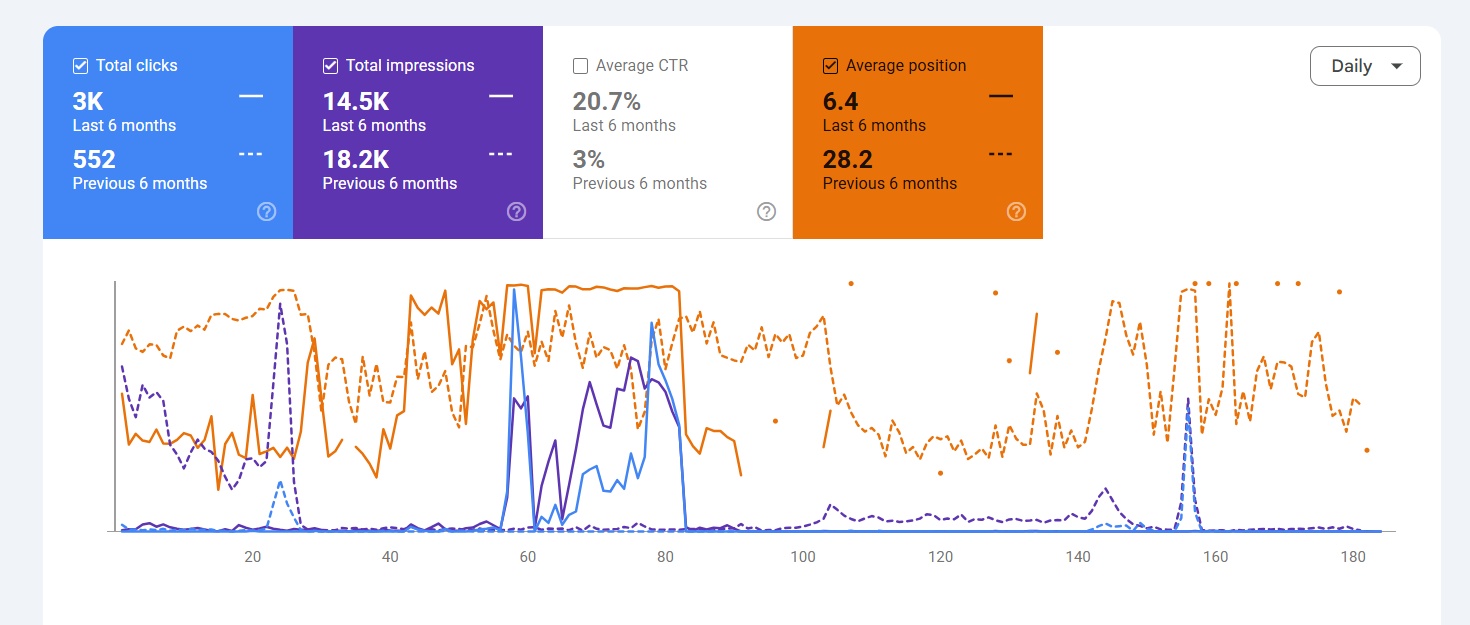


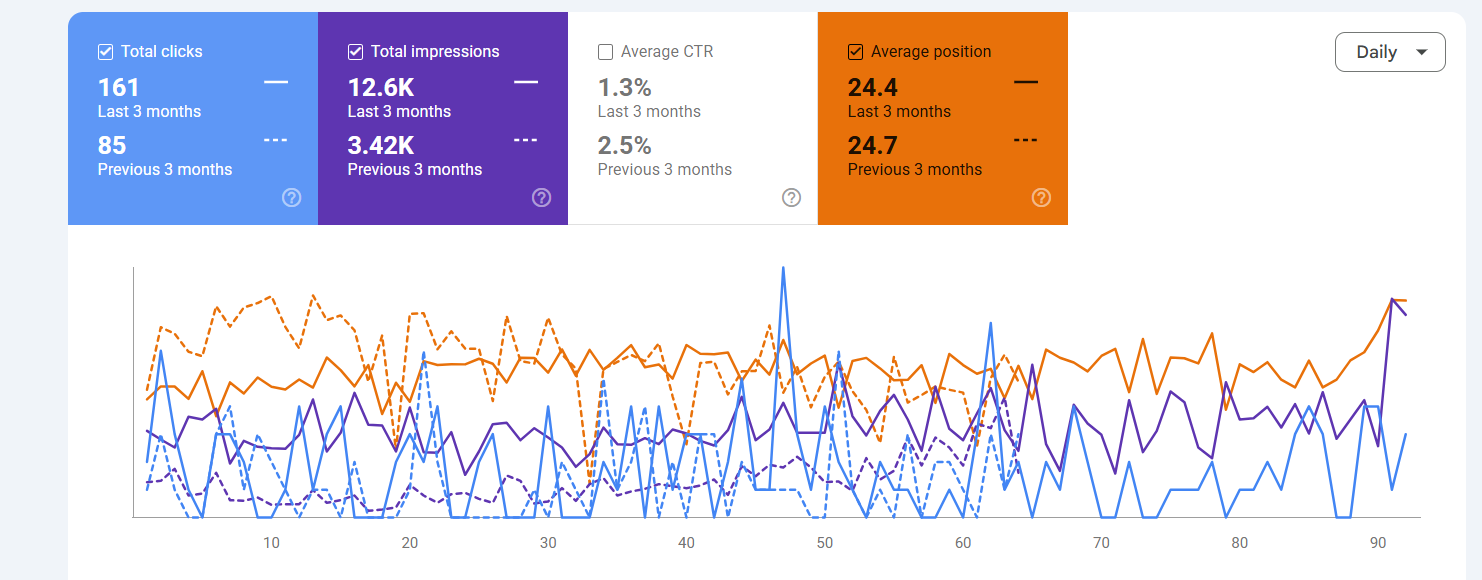

A practice administrator in Scottsdale, Tucson or Flagstaff choosing a medical billing company is not scrolling a map pack. She is reading a site closely over several sittings, checking whether the company understands clean claim rate, denial management and credentialing before she ever picks up the phone, because switching billing companies mid year is expensive to get wrong.
This is a considered B2B purchase across the whole state
Nobody searches for a billing company the way they search for an emergency plumber. The buyer compares two or three companies over days or weeks, reads whatever content each one has published, and forms a view of who actually understands revenue cycle management before a call happens. That is true for a group in Phoenix, a clinic in Tucson, a small practice in Prescott or a specialist in Sedona. The site itself, not the profile, is the whole sales conversation until the phone rings.
A thin site with a service list and a contact page loses that comparison immediately. A website build with real depth on claim submission, accounts receivable and payer mix reads as a company that has done the work before, which is the entire point of the exercise.
Content depth is the credibility signal here
Terms like eligibility check, prior authorization and clearinghouse are not keywords to sprinkle, they are proof to an administrator reading closely that the company has actually run a billing operation. A page explaining how a clean claim rate is protected during a payer policy change, or how a credentialing backlog gets cleared, does more selling than any generic promise of getting paid faster.
That kind of page only gets built with a plan behind it, which is what a topical map is for: deciding which billing topics practices across Arizona actually search for, from the Valley suburbs of Mesa, Chandler and Gilbert to Tucson in the south and Flagstaff in the north, and building toward those in order rather than one broad page trying to cover everything.
Local SEO still has a role, just a smaller one
A share of practice administrators do search with a city attached, looking for a billing company that already works with practices in Phoenix, Scottsdale, Tempe, Peoria or Glendale, or one that understands how rural and small town practices in Prescott, Sedona and the high country run. They also want to know Arizona payer mix specifically. Local SEO built around that search, alongside a properly filled out Google Business Profile, catches that share without becoming the main strategy.
HIPAA compliance and certified coding have to be visible, not implied
An administrator comparing companies is looking for the specific proof that data handling is taken seriously and that coding is done by somebody certified to do it, not a vague reassurance. Naming HIPAA compliance and certified coder status plainly, wherever it is true of the company, closes an objection that a generic services page leaves open.
The same applies to EHR integration. A practice already running a particular system wants to know before the first call whether onboarding will be smooth or painful, and a page that answers that directly saves both sides a wasted conversation, whether the practice sits in North Scottsdale or a small town far from the metro.
The buying calendar runs on the practice year end, not the seasons
Month end close and payer policy changes are the recurring pressure points that push a practice to reconsider its billing company, and an enrollment backlog is often the specific complaint that starts the search. Content built around those moments, published well ahead of when practices start looking, is what gets found during the actual decision window rather than after it has closed.
Authority is built with links as much as with pages
A billing company competing for attention against national platforms benefits from being cited elsewhere, not only from its own site. Link building aimed at the kind of publications a practice administrator actually trusts does more for this trade than for most, because the buyer is already reading widely before she calls. The broader case for the trade sits on the medical billing page, and for a company with no real content built yet, Launch is the starting point.