Local SEO in Florida
Tampa and St. Petersburg, Miami and Fort Lauderdale, and Orlando. Three separate markets with three customer bases, in a state that looks like one.

The ground we cover: Florida
The neighborhoods and towns we build coverage for. If yours is nearby and not named, it does not mean no.
- Miami
- Miami Beach
- Coral Gables
- Fort Lauderdale
- Boca Raton
- West Palm Beach
- Palm Beach
- Naples
- Fort Myers
- Sarasota
- Tampa
- St Petersburg
- Orlando
- Jacksonville
- Tallahassee
What the numbers actually show

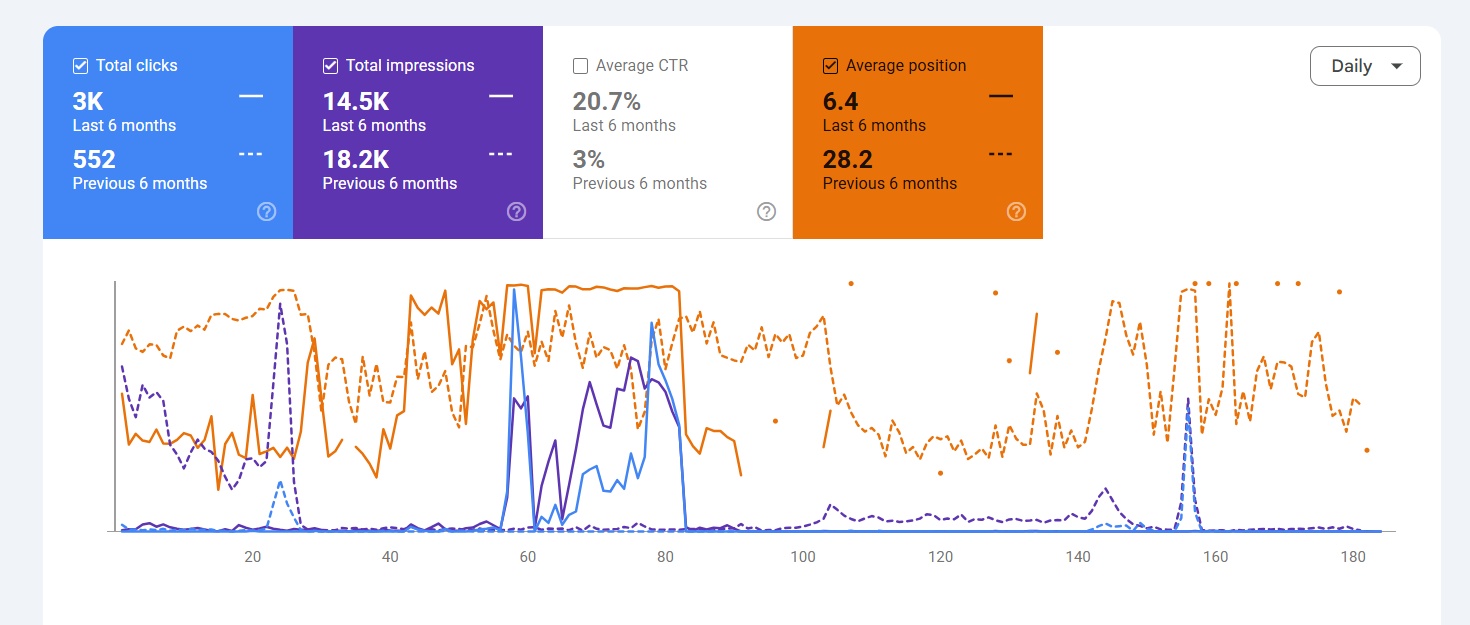


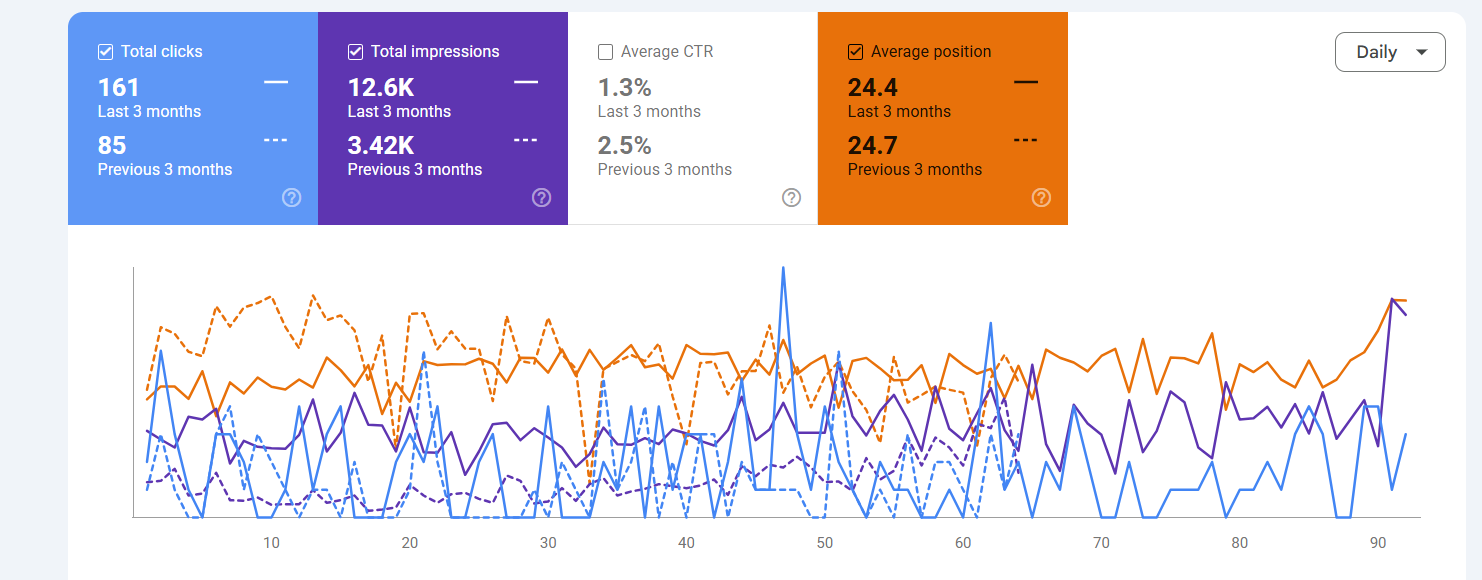

Florida is not one search market wearing three city names. Tampa and St. Petersburg, Miami and Fort Lauderdale, and Orlando each carry a different customer base, a different competitive set and, in more than one case, a different language mix, and a page written to cover all of Florida at once serves none of them.
Three cities, three customer bases
Tampa and St. Petersburg run as a paired market, connected but distinct enough that a business on one side of the bay needs its own page rather than a shared one. Miami and Fort Lauderdale form a different kind of market again, dense, competitive and fast moving. Orlando is different from both, shaped by the visitor economy sitting alongside the residential one. Building one Florida page and hoping it works everywhere is the exact doorway page this trade should avoid, and it is why the topical map for a statewide Florida business starts by treating these as three separate jobs, not one.
A Google Business Profile reinforces the same split. The map pack result a Tampa searcher sees has nothing to do with what shows in Fort Lauderdale, so a business working more than one of these cities needs a profile and a page built for each, not a single listing stretched across the state.
St. Petersburg and a medical billing business built on the numbers
A medical billing company in St. Petersburg is the clearest proof we hold, and we walk through its Search Console reading on the call rather than printing it here. That is what a site built specifically for a Florida audience, in a trade like medical billing where the buyer is comparing providers carefully, can do when it is not competing against a generic statewide page for the same attention. How we work has the method behind it.
Miami and Fort Lauderdale have their own language layer
Miami and Fort Lauderdale, and Sunny Isles and Hollywood in particular, carry substantial Russian, Ukrainian and Israeli business communities, and a business serving those neighborhoods is often searched for in more than one language by the same customer. That is part of why the site itself is being built to work in six languages rather than English alone, so a page can eventually meet a Sunny Isles customer in the language they typed rather than assuming English by default.
It also changes what belongs on the page. A business that can speak plainly to that community, by name, reads as the right fit in a way a generic South Florida page never will, in the same way a page written for the wrong neighborhood anywhere else falls flat.
What this looks like across the state
What decides whether a Florida business is found rarely comes down to the size of the state and always comes down to whether the page matches the city, and in Miami or Fort Lauderdale, the language, the customer already searches in. A statewide business still needs Tampa, Miami and Orlando built and measured as three separate jobs rather than folded into one.
Orlando makes the point clearest, because the same search box is answering a resident booking a repair and a visitor renting a house for the week, and a page written only for one of them loses the other. A Google Business Profile that only speaks to locals misses the part of the Orlando market that never leaves the tourist corridor, and a page that only speaks to visitors misses the neighborhoods people live in year round.