Local SEO for handyman and home service businesses
The operators who fit no single trade category: handyman, technician, small repair company. How they get found when the work crosses several search terms.

Every job has its own search
Tap a job to see how we rank you for it. Each one is a thing customers actually type, and each earns its own ground in the build.
Drywall repair
A hole in the wall is an easy job to describe and an easy one to search. The customer types the damage and the town and wants a quote this week. Drywall repair is a dependable earner for a handyman, so it needs a page rather than a mention. We write it around the common damage you fix, with a website that makes it simple to send a photo and book a visit.
TV mounting and fixtures
People hanging a television, a shelf or a light fixture do not want to risk the wall or the wiring, so they search for someone who does it every week. These are quick jobs that stack up into a full day, and they bring repeat customers. They need a page that names each task clearly. We build it, and we connect it to your Google Business Profile so nearby customers find you first.
Doors and locks
A door that sticks, a lock that fails or a new deadbolt are all searches with a town attached and some urgency behind them. Doors and locks are small jobs with a strong reason to call a local person. They deserve their own page so you appear for the exact task. We write it around the repairs you handle, as one branch of a topical map for your handyman business.
Fence and deck repair
Fence and deck work is seasonal and often follows a storm, and the customer searches the damage and the town. The jobs are larger than a typical handyman call, which makes them worth chasing with a page of their own. We write it around the repairs you take on and the materials you work with, and the method is explained under our local SEO service.
Punch lists
A landlord, builder or busy homeowner with a list of small fixes wants one person to clear the lot. They search for a handyman who takes on a full list, and a single booking can fill a day. Punch lists are the most profitable way to sell handyman time, so they need their own page. We build it, and the launch offer gets it live fast.
Furniture assembly
People with a flat pack wardrobe or a new bed frame search for someone to assemble it, and they will pay to avoid a lost afternoon. The jobs are quick, easy to price and often booked in groups. Brands such as IKEA come up in the search, so naming them helps. We write it as one page on a website that makes booking simple.
Paint touch ups
A scuffed hallway or a patched wall that needs matching paint is a small job with a very specific search. Owners and landlords want a clean finish without hiring a full painting crew. It is distinct from drywall work and deserves its own page. We write it around the touch ups you take on, as part of a topical map for your business.
Gutters and small exterior jobs
Clogged gutters, loose downspouts, a cracked step or a sagging gate are the jobs homeowners notice after a storm. They search for the task and the town. These are seasonal, easy to bundle and good for repeat work, so they need a page of their own. We write it around the tasks you take on, and we connect it to your Google Business Profile so nearby customers find you.
Move out repair lists
A landlord or tenant handed a move out list wants every item fixed before the deposit is settled. They search for a handyman who will take the whole list, often against a deadline. This is a dependable source of full day bookings and repeat landlords. We write it around the typical items on those lists, and we build a page for it, and the pricing page shows how we charge.
What the numbers actually show

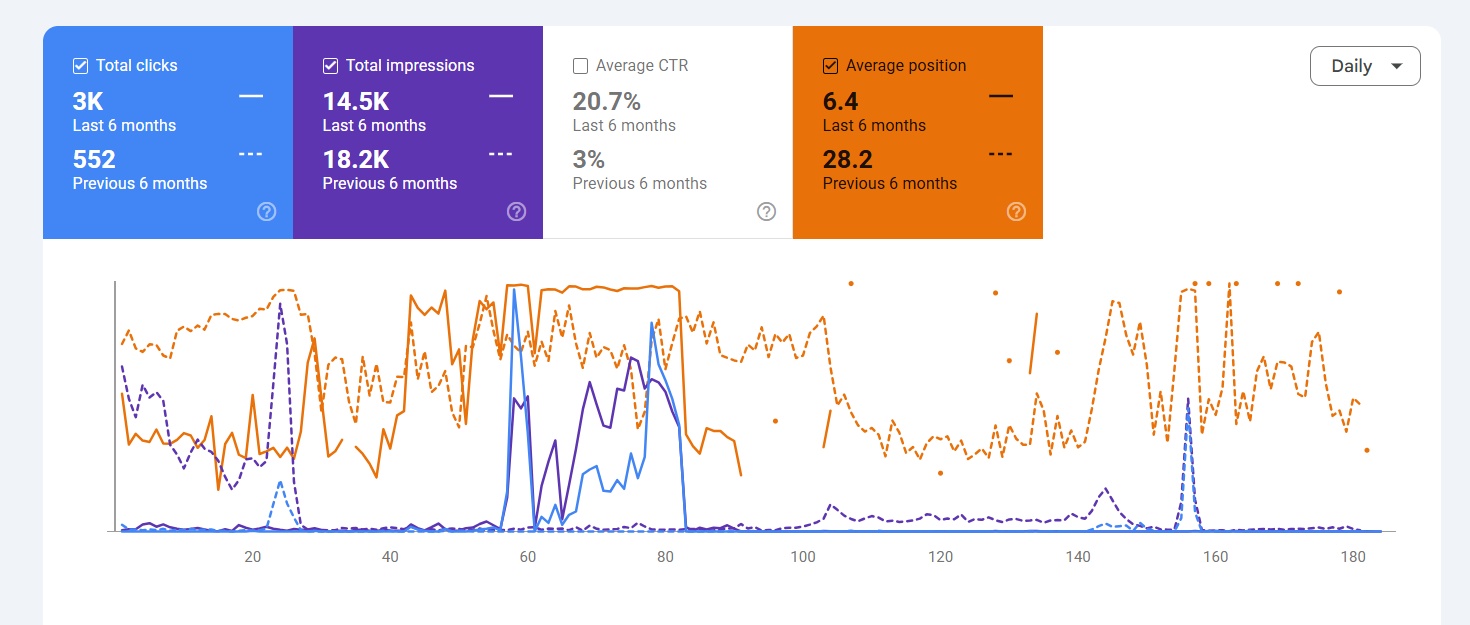


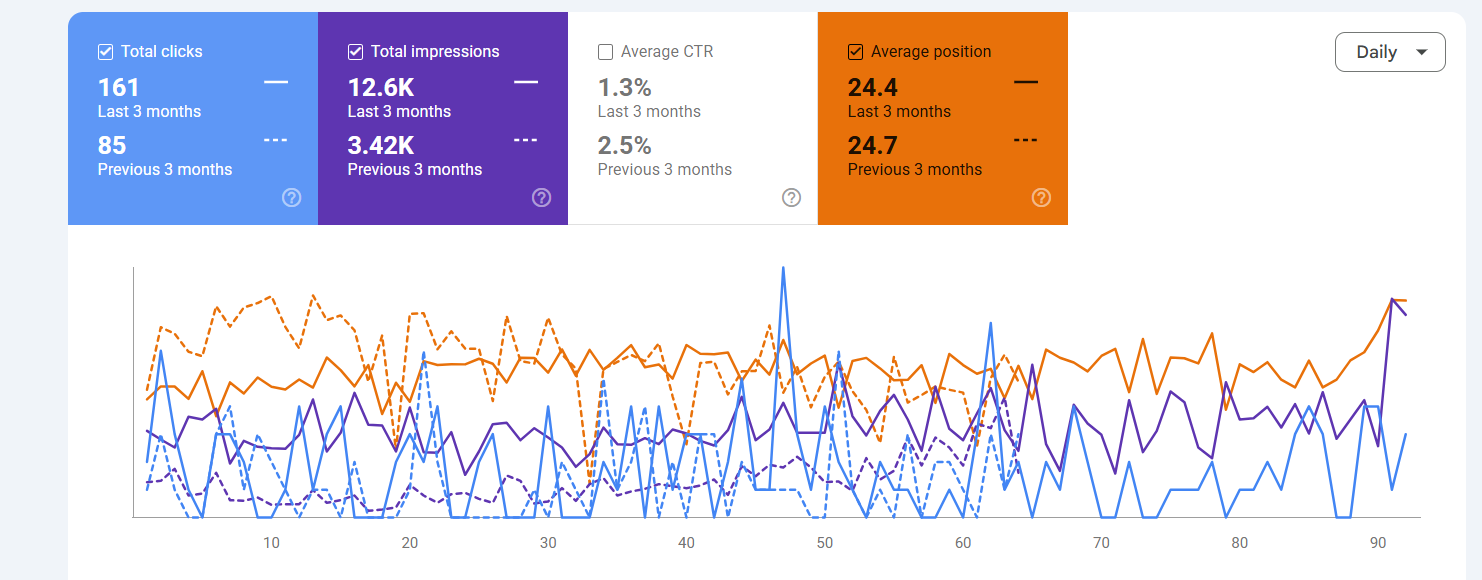

A handyman has the hardest marketing problem in the trades, and almost nobody tells him so. A plumber ranks for plumbing. A roofer ranks for roofing. A man who does drywall, doors, fixtures, fences and the fifty jobs in between has no single word that holds his business, and Google wants one.
The no category problem, stated plainly
Google Business Profile makes every business pick a primary category, and search rewards businesses that look like one thing. The handyman is punished for his range: choose "handyman" and the drywall searches go to a drywall company, choose "drywall contractor" and the customer who wants a door rehung never finds him.
Most handymen respond by listing everything everywhere, which reads as nothing in particular. The profile says handyman, the website says "all home repairs," and neither ranks for the specific thing a customer actually types at the moment something breaks.
The fix is a deliberate category and a page per job
The primary category gets chosen on purpose: the job type that brings the most work or the best margin carries the Google Business Profile, and the secondary categories carry the rest. That single decision is worth more than most of what agencies sell this trade.
Then the range stops being a weakness and becomes coverage. Each job type a handyman actually wants gets its own page: drywall repair, door adjustment, TV mounting, fixture swaps, fence and deck repair, move out punch lists. That is a topical map doing for one van what it does for a whole company, and it is how the fifty small searches add up to a full calendar.
The customer is searching the job, not the trade
Nobody with a sagging gate types "handyman philosophy." They type the problem: hang a door, patch drywall, mount a TV, fix a fence. The searches are small individually and enormous together, and they are exactly the jobs a licensed contractor will not drive out for.
That is the handyman position in one line: the job too small for a contractor and too fiddly for the homeowner. The landlord turnover, the punch list before a sale, the list of ten small things that waited for one visit. Pages written around those moments convert, because they describe the visit the customer is already imagining.
Where the handyman sits in the wider field
The same method runs next door: water damage restoration, home remodeling, kitchen remodeling, cabinets, roofing, painting, landscaping, garage doors, locksmiths, cleaning companies. Some handymen grow into one of those trades, and the coverage grows with them rather than being rebuilt.
If the business is bigger than one van, the named trades have their own ground here: HVAC, plumbing and electrical, appliance repair, flooring. The handyman page is for the owner who is all of them at a small scale and none of them on paper.
Starting from nothing, which is where most handymen start
Many of the owners we work with here do not have a business yet. They have tools, skill, a truck and a phone. That is enough: the name, the domain, the website, the profile, the listings and the first pages are built in Launch, in ninety days, in your language if English is not it.
And because the trade runs on word of mouth more than any other, the reviews matter from the first job. How the asking gets done, and how the profiles a customer checks stay alive, is covered under reviews and social. What the whole arrangement costs sits plainly on pricing, and the month by month shape of the work is on how we work.