Multilingual SEO
A second language doubles who can find you and who trusts you enough to call. This site runs in six, which is our demonstration that we can build yours.

What the numbers actually show

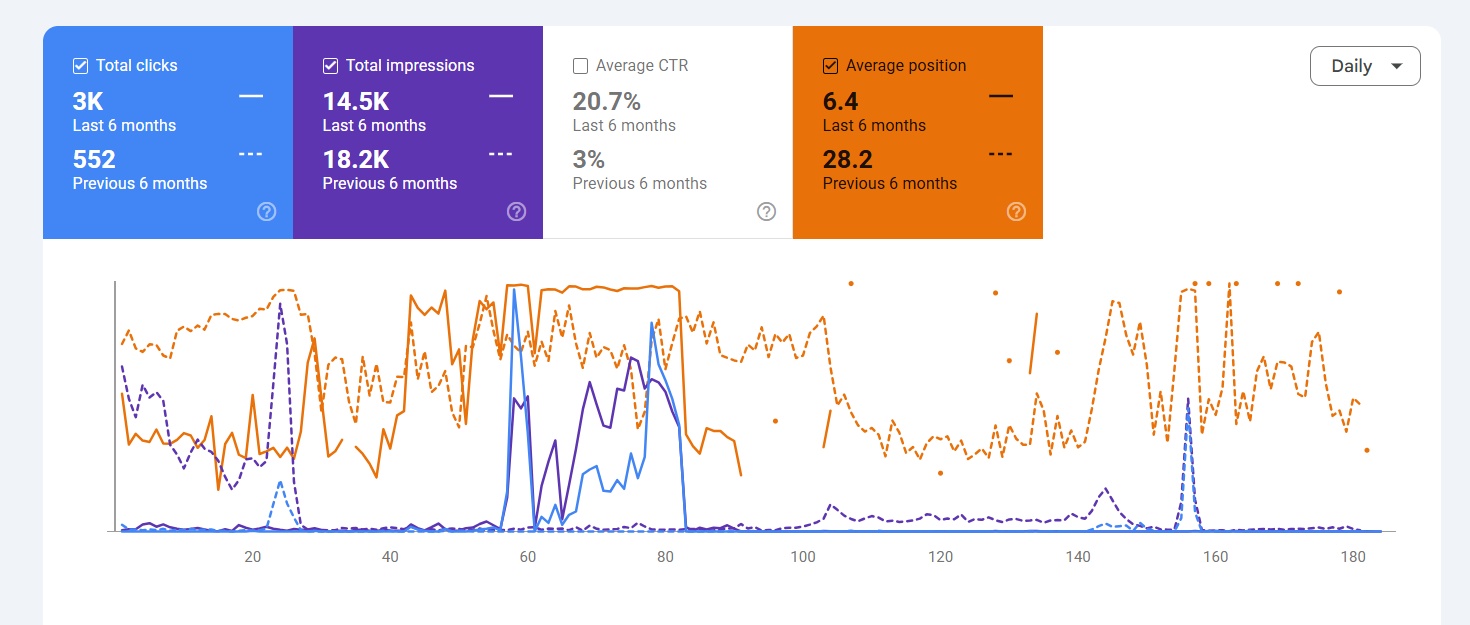


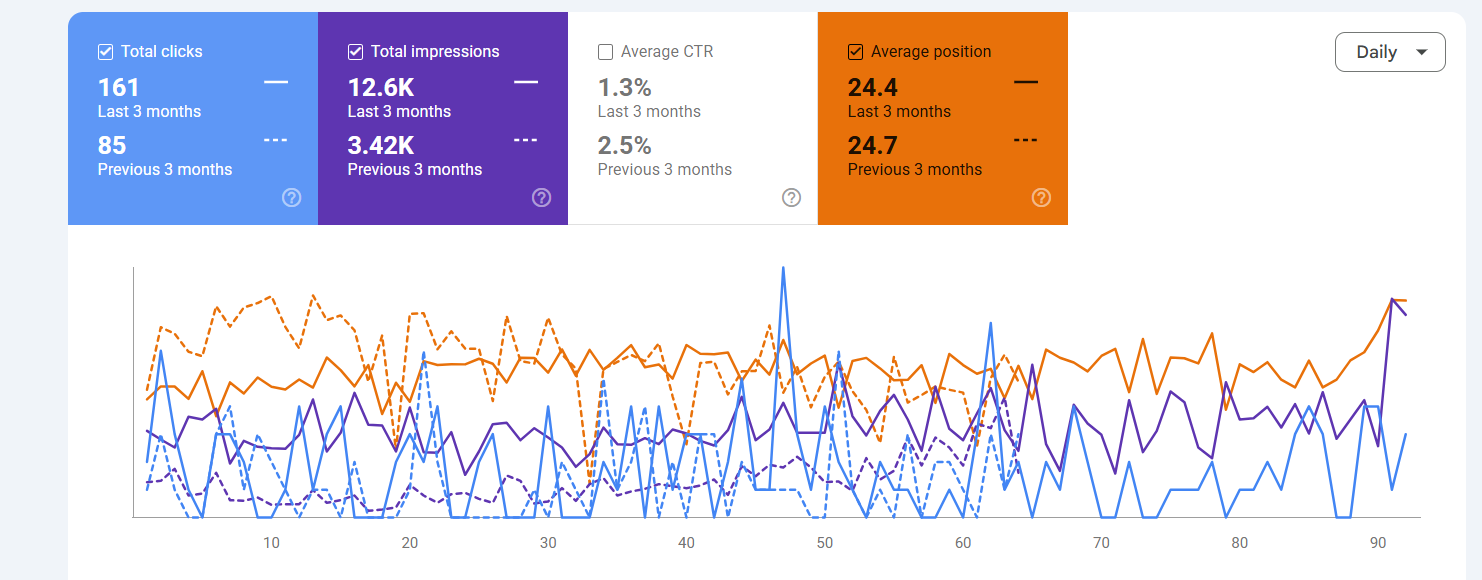

An immigrant owned business usually has a customer base that speaks more than one language, and a website that only speaks English is quietly turning some of those customers away before they ever pick up the phone. This site itself is being built in six languages right now, English, Russian, Armenian, Ukrainian, Hebrew and Spanish, using the same static, indexable pages described below rather than a translation widget bolted on afterward.
A second language is not a translated homepage
Running a page through a translator and calling it a language version does not work for search, and it usually reads badly to a native speaker within the first sentence. Real multilingual SEO means separate pages built for that language, with their own titles, their own headings and their own topical map coverage, because the questions a Russian-speaking customer types are not a word for word translation of the English ones.
It also means telling search engines properly which page serves which language and region, so a Ukrainian speaker searching in the same city gets pointed at the Ukrainian page rather than the English one buried three results down. Get that wrong and both versions can end up competing against each other instead of each doing its own job.
Trust travels faster in the right language
For an immigrant owned business, a page written properly in the customer's own language often does more for trust than any review ever could. It says plainly that you understand the person you are talking to, not just the transaction, and that reads the same way whether the job is a routine HVAC tune-up or something bigger.
This is not a bolt-on feature we add at the end. It changes how the website build itself is structured from the start, and it changes which pages the Google Business Profile should point to depending on where the search happened.
Where this pays off first
A one van business does not need six languages on day one. It needs the one or two that match the customers calling right now. For a luxury appliance repair business with an Israeli owner, Hebrew alongside English can matter more in certain neighborhoods than a third or fourth language would. For a business serving a large Armenian community, that is the second language worth building properly before any other.
We treat language coverage the same way we treat a topical map: map what is needed for your customers and your area, then build it properly, rather than adding languages for the sake of a longer list on a proposal.
How we are building it here, and for you
Cubex is being built in six languages right now, and every one of those pages is real, static content, not a JavaScript translation widget layered over the English version at the last minute. That is deliberate: a widget can be switched off or blocked, and it does nothing for a crawler that never runs it. A properly built language version exists as its own page, indexed on its own terms.
If multilingual coverage is part of your project, it usually sits inside Launch for a new site built with the right languages from day one, or as an addition once Scale is underway and you can see which language your customers are actually searching in, whether that is in New York or Los Angeles.