Voice search optimization for local businesses
When someone asks Siri, Alexa or Google Assistant for a plumber nearby, one business gets named. We work to make it yours, with answers they read out.

Every job has its own search
Tap a job to see how we rank you for it. Each one is a thing customers actually type, and each earns its own ground in the build.
Siri and Apple Business Connect
Every iPhone owner who asks Siri for a nearby plumber or electrician is shown Apple Maps, and that data comes from Apple Business Connect. Most trade businesses never claim it, so their details are wrong or missing. We claim your listing, add your hours, services, photos and phone number, and keep it matching everything else. It is a free door to customers that works well beside your Google Business Profile.
Google Assistant optimization
People ask Google Assistant on their phone, in the car and on smart speakers, and it reads out one answer rather than a list. The business it names gets the call. We tune your listing and your pages so the assistant has clear facts to repeat, starting with who you are and where you work. It builds on the same foundation as our voice search optimization service for local trades.
Alexa and Bing Places
Alexa answers local questions using Bing, which means an empty or wrong Bing Places listing quietly keeps you out of those answers. Many owners have never heard of it. We claim and complete your listing, check that your name, address and phone are identical everywhere and add your categories and photos. It takes little effort and extends your local SEO to a group of customers your competitors skip.
Near me searches
Phrases like electrician near me or locksmith near me are spoken constantly, often by someone who needs help right now and is ready to call. The map decides who they see. We strengthen the signals that make you the closest, most complete choice: your listing, your service area pages and your reviews. It is practical work that connects directly to your local SEO and turns urgent searches into calls.
Conversational answers
Spoken searches sound like a person talking: who can fix my water heater today, how much does a new roof cost. Typed keywords do not match that. We rewrite key pages to open with a direct, natural reply a voice assistant can read aloud, then give the detail below. Visitors enjoy the plain wording too, and it supports the answers we build under AI search optimization.
Google Business Profile for voice
Voice assistants lean on your Google listing more than on your own website, so a thin or out of date profile wastes the effort. We fill in every field: categories, services, service areas, hours, questions and answers, and fresh photos. The assistant then has everything it needs to read you out correctly. It is the heart of any voice plan and the reason we offer a full Google Business Profile service.
Fast mobile pages
Most voice searches happen on a phone, and a phone user will not wait for a heavy page to load. A slow site loses the call and also ranks lower. We trim images, clean the code and test your pages on real phones so they open almost at once with the call button in plain view. It is the speed side of our website builds and it pays back in every channel.
Local question coverage
Homeowners ask questions that only apply to your area: permits in your town, the weather that wears out roofs here, which neighborhoods you serve. Very few competitors answer them. We list the local questions your customers really ask and give each a short, honest reply on your site. It is the kind of detail a voice assistant loves, and it strengthens your voice search optimization over time.
What the numbers actually show

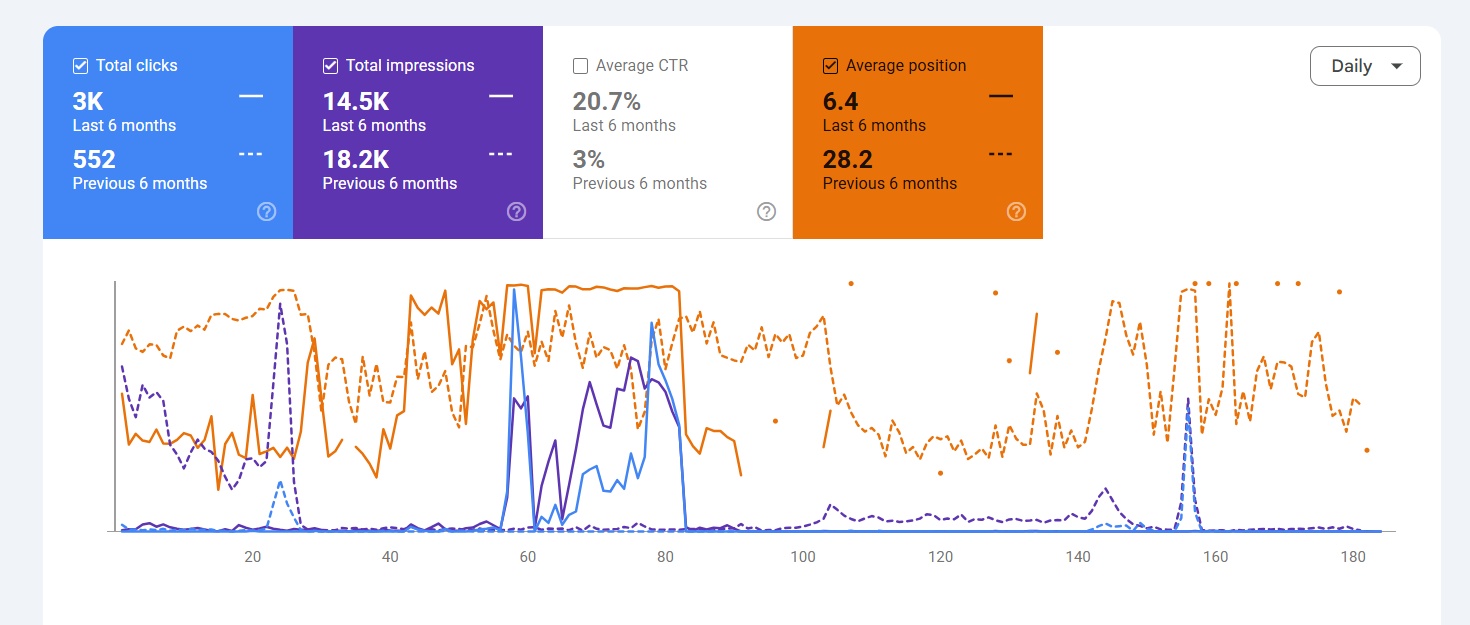


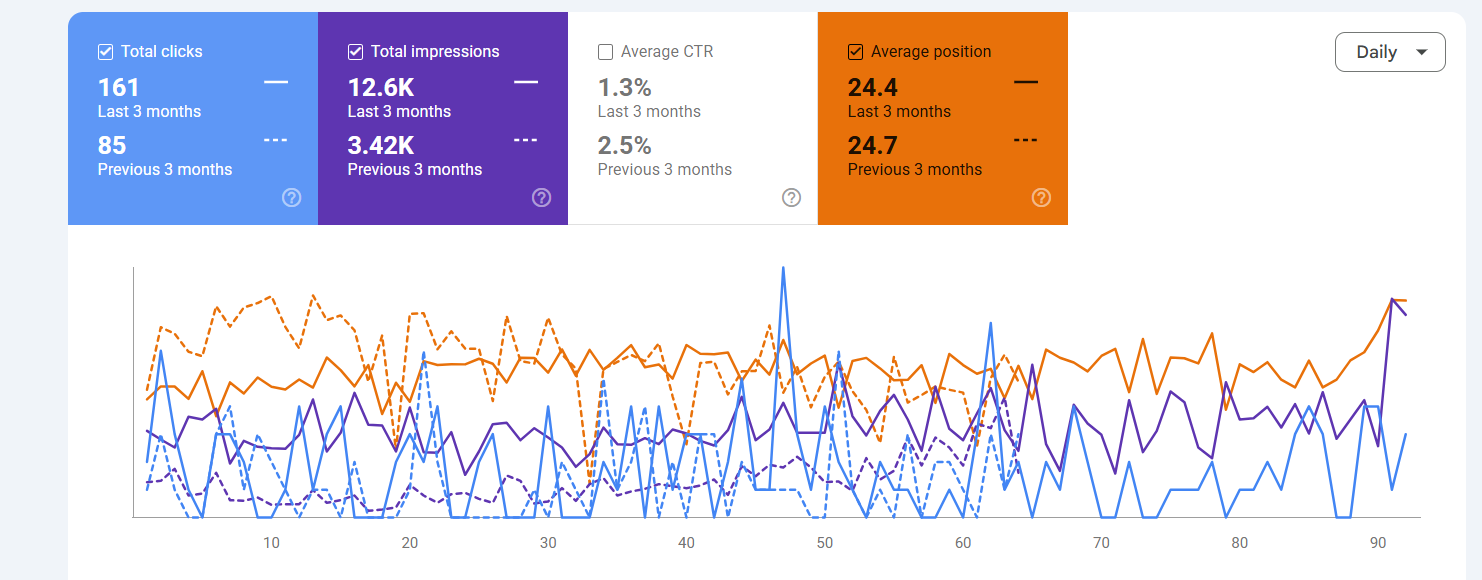

When someone asks Siri, Alexa or Google Assistant out loud for a plumber nearby, the assistant does not read a list. It names one business, or a very short few. Voice search optimization is the work of making your business the one that gets named, by cleaning up the sources the assistants read, mainly your Google Business Profile, Apple Business Connect, Bing Places and Yelp, and by writing clear, conversational answers to the questions people actually speak. Nobody can guarantee the answer an assistant gives, but a lot of what decides it is within reach.
Why a spoken question has one answer, not ten
On a screen, a weak first result costs you little, because the customer can scroll. By voice there is no scroll. The person is driving, cooking or standing in a flooded basement, and the assistant gives its best single answer. That makes the competition sharper: being fourth is the same as not existing.
The questions are also different from typed searches. People speak in full sentences, such as who is the closest locksmith open right now, or can you fix a dishwasher that will not drain. A business that answers questions in that same plain language has a real advantage over one whose pages are written in brochure phrases.
Where the assistants actually get their answers
The assistants borrow from a small set of sources. Google Assistant leans on your Google Business Profile. Siri draws heavily on Apple Maps and Apple Business Connect. Alexa and several car systems pull from Bing Places and Yelp, among others. If your hours, phone number, service area and categories are wrong or missing in any of these, the assistant either skips you or sends the customer to a disconnected line.
This is why the unglamorous work matters most. We claim and complete each of these profiles, and we keep your name, address and phone identical across them through our citations and listings service. When every source agrees, the assistant can say your name with confidence.
Writing conversational answers the assistants can read out
Assistants like to read short, direct passages that answer a question in a sentence or two. We write those for your site: a page or a section for each question customers really ask, with a plain heading, the answer in the first lines, and the detail after it. The same material, trimmed down, goes into your profile question and answer sections and your service descriptions.
This is the same discipline behind our content and topical maps, applied with a spoken voice in mind. Short sentences, real specifics about the job and the neighborhood, and no jargon. If a sentence would sound odd read aloud by a speaker in a kitchen, we rewrite it. It also helps with AI search optimization, because the engines that write written answers prefer the same clear passages.
Local details the assistants check first
Most trade searches by voice carry the words near me, open now or emergency, and the assistant answers with whatever is closest and open. So the basics decide a surprising amount: correct opening hours including holidays, an accurate service area, the right categories, and a phone number that a real person or an AI receptionist actually answers. See our AI receptionist and chat page for the last piece, because a voice customer who gets voicemail calls the next name.
Reviews matter here as well. A well rated, recently reviewed business is the safer thing for an assistant to recommend, and our AI reviews and reputation work keeps that signal fresh.
What cannot be controlled, and how we measure
Be wary of anyone who promises that your business will be the answer. The assistants change how they choose, they differ by device and location, and the same question can produce different results an hour apart. We cannot control which business is read out, and we will not pretend otherwise.
What we can do is fix the sources, write the answers and then test. We ask the major assistants a set of real customer questions from your service area, record what each says, and repeat the test over time so you can see movement in plain terms. The work can sit inside a Launch build for a new site or be added to an existing one, and the options are laid out on our pricing page.