Local SEO for HVAC companies
Heating and cooling is seasonal, with two peaks a year. We build the coverage before the season turns, so you are ranking when the calls start.

Every job has its own search
Tap a job to see how we rank you for it. Each one is a thing customers actually type, and each earns its own ground in the build.
AC repair
On the first hot day, nobody searches for an HVAC contractor. They type that the air conditioner is blowing warm, add the town, and call whoever shows up first. AC repair is your biggest seasonal job, so it needs a page written for the fault, not a line in a services list. We build it ahead of the season, because the page has to settle before the heat arrives, and we keep your Google Business Profile aligned with it.
Furnace repair
A furnace that will not light on a cold night produces a very motivated customer who wants a technician tonight. They search the symptom and the town, and they choose from the first few results. Furnace repair is its own season, its own wording and its own page. We write it around the faults you fix and the homes you serve, as one part of a topical map that covers your whole year.
Heat pumps and mini splits
Customers asking about heat pumps and mini splits are comparing options before they spend real money, and they search by system type, room size and brand. That is a different buyer from the one with a broken unit, and a general page never answers them. We build a page for each system you install and service, on a website that loads fast and makes the next step obvious, so the research turns into a booked estimate.
Ductwork
Duct problems rarely start as a search for ducts. The customer notices a room that never warms or an energy bill that keeps climbing, and then searches for the cause. Ductwork is a quiet, profitable job, and it needs a page that meets people at the symptom. We write it around what your crews find in the attic and the crawl space, and we explain the method on our local SEO page.
Maintenance plans
A tune up plan fills your slow months and puts you in the customer inbox before the next breakdown. It is also its own search, separate from repair and replacement, and a site that only covers faults misses those buyers. We build a maintenance plan page that explains what the visit covers and why spring and fall matter, and we can start it inside the launch offer so it is ready before the rush.
AC installation and replacement
When a unit finally fails, the owner stops asking about repair and starts comparing new systems. They search by brand, such as Carrier, Trane, Lennox, Rheem or Goodman, by size and by town. This is your biggest ticket sale, and a repair page never speaks to it. We build a separate installation and replacement page on a website that makes asking for an estimate the obvious next step.
Furnace installation
Homeowners replacing a furnace compare efficiency, brand and warranty before they call anyone. They search for Carrier, Trane, Lennox or Rheem models by name, along with the town. It is a high value sale that needs its own page, separate from furnace repair. We write it around the systems you install and the homes you serve, and we keep your Google Business Profile in step.
Indoor air quality and controls
Customers worried about dust, allergies or a stuffy house search for air purifiers, humidifiers, filtration and smart thermostats by name. Controls from Honeywell, Ecobee and Nest sit naturally beside these upgrades. This is an add on sale with good margin, and it needs a page that explains each option plainly. We build it as one branch of a topical map for your HVAC business.
Commercial HVAC
A property manager with a failing rooftop unit is buying uptime, and they search for commercial HVAC by equipment type, such as rooftop units, chillers and split systems from Carrier, Trane and Lennox. These contracts are larger and repeat, so they need a page that speaks to that buyer, not to a homeowner. We build it, and the pricing page shows how we charge before you commit.
What the numbers actually show

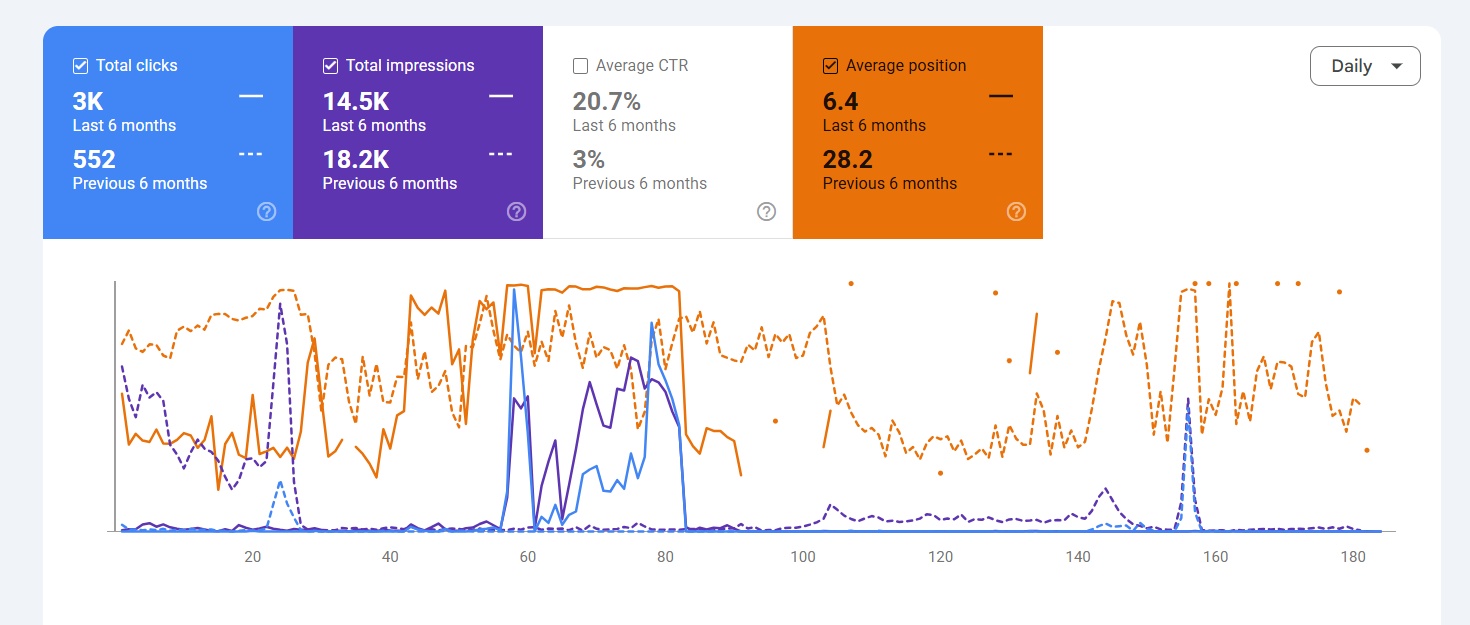


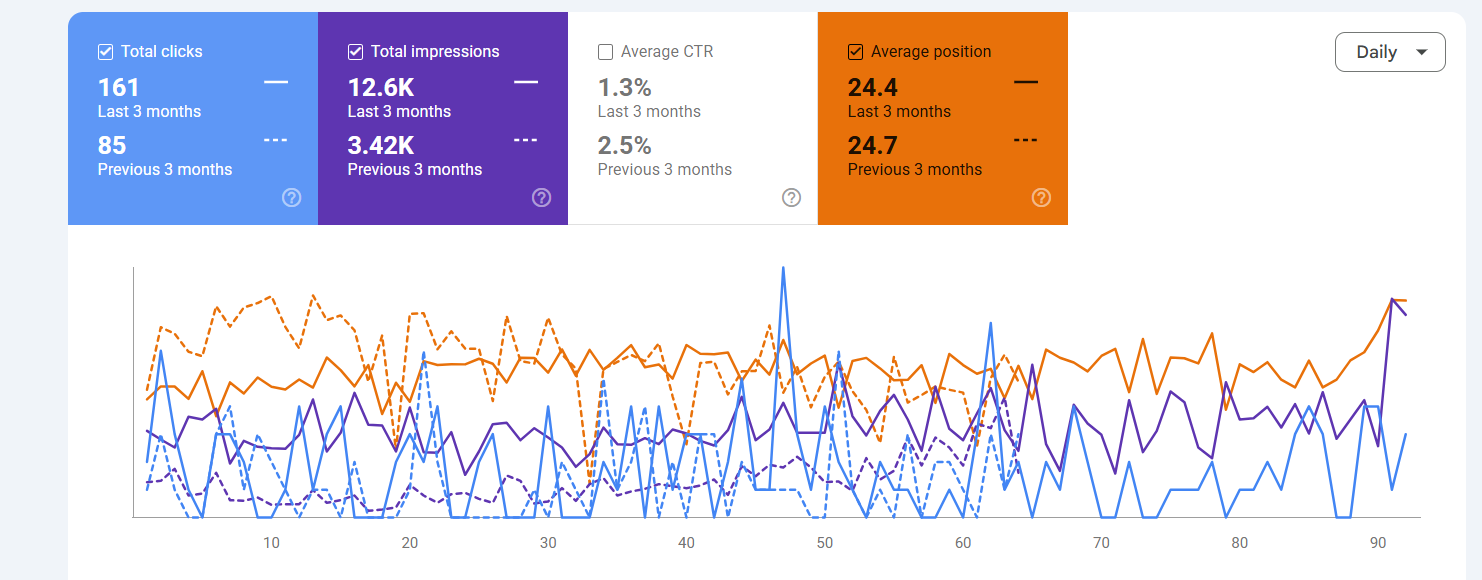

Heating and cooling is two businesses in one year. You are flat out for six weeks in July, flat out again in January, and quiet in between. The companies that win the season are the ones that were already ranking in May, because the customer searching at 6pm on the first hot day is not going to scroll.
What HVAC customers actually search
Almost nobody types "HVAC contractor". They type what is wrong: the unit is blowing warm, the furnace will not light, there is water round the indoor unit. They add the town, or Google adds it for them. So the pages that get the call are the ones written about the fault, in the area, not a page called Services.
For an HVAC company that means a page per fault, a page per system type, and a page per town you will actually drive to, which is the shape a topical map gives the work.
The season decides the schedule, not us
A new page does not rank the week it goes up. That is the single most important thing to understand about this trade, because it means the work has to happen out of season. Build in March and you are ranking for the summer. Build in July and you are paying for coverage you will use next year.
So we plan backwards from your two peaks. Groundwork and the Google Business Profile first, because the profile moves fastest and for most heating and cooling companies it is what actually makes the phone ring. The pages that need time to settle go in next, well before the weather turns.
A replacement is sold on brand and tonnage, not on "HVAC"
Nobody replacing a whole system searches the category. They search the brand they already have, or the brand a neighbor mentioned, alongside the size of the unit and the specific complaint: a fifteen year old unit struggling to cool a two story house, a furnace that keeps short cycling. A page written for one brand and one system size answers a much sharper question than a page written for "AC replacement" ever can.
This is also where financing questions show up, because a full system is a large purchase and the customer wants to know what the options are before they call anyone. A site that ignores that question loses the reader at exactly the point they were ready to act.
A maintenance plan is a search problem, not just a revenue one
A seasonal tune-up plan keeps a technician busy in the slow months and gives a company a reason to be in a customer inbox before the next breakdown. It is also its own search category, separate from repair and separate from replacement, and a site that only builds pages for the faults misses the customer who is looking for a maintenance contract rather than a fix.
A company running this for an HVAC business owned by an Armenian founder built the fault pages first, because that is where the season decides the schedule, and the maintenance pages followed once the busiest weeks were covered.