Local SEO
Everything that decides whether a local business shows up: the site, the profile, the coverage of what customers search, and the links that make it stick.
What the numbers actually show

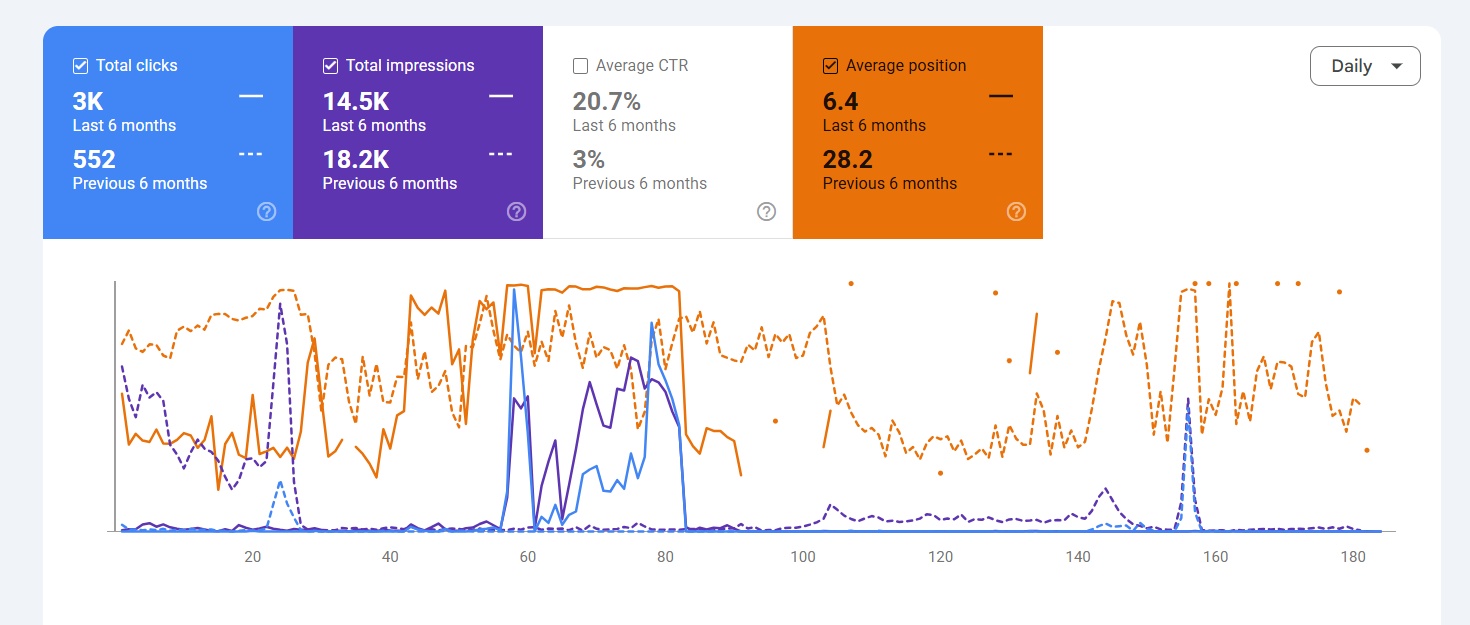


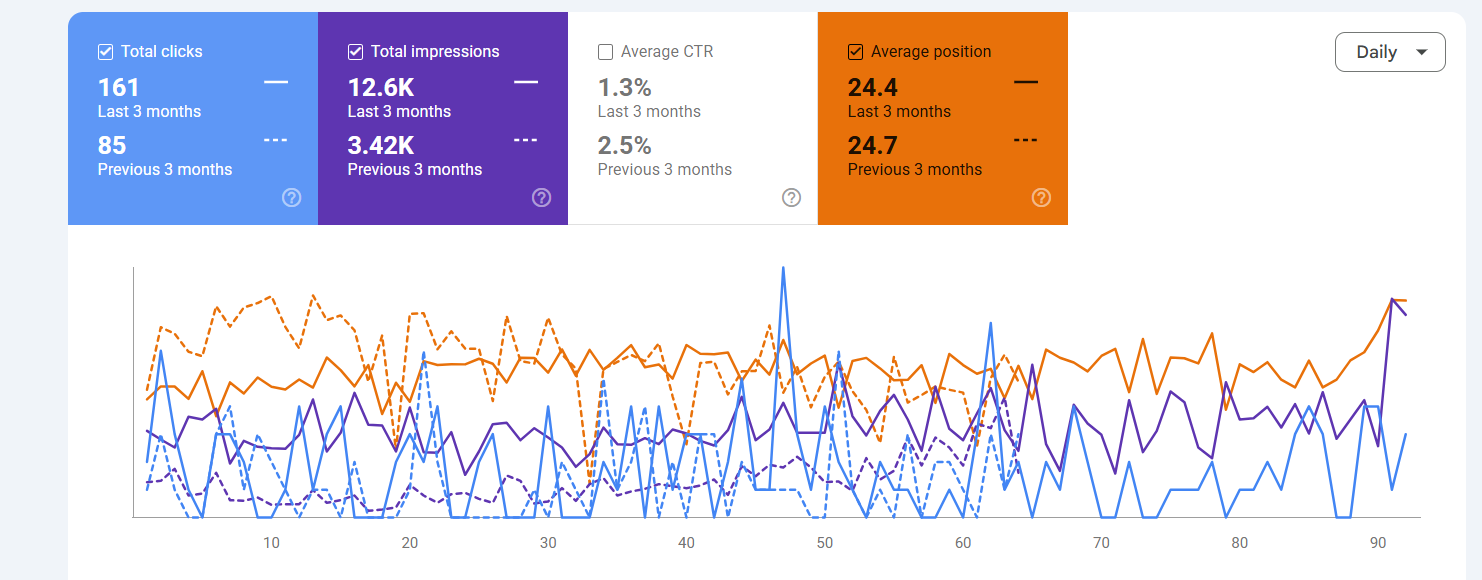

Most owners who call us have paid for this before. They got a monthly report full of charts and a phone that rang the same as it did the month before. So here is the whole thing in order: what we look at, what we build, what we fix, and what you will be able to check yourself without taking our word for any of it.
Four things decide whether you show up
Local search is not one system. It is a profile in the map results, a website in the normal results, the coverage of what people actually type, and the links pointing at you from elsewhere. A business can be strong in one and invisible overall. That is the usual story: a good looking site, no profile worth the name, and nothing written about the faults customers search for.
So we grade all four before quoting anything. That grading is the first week of Unstick and it is free of opinions: either the profile is verified and categorized correctly or it is not, either there is a page about the thing they typed or there is not.
- The Google Business Profile: verified, categorized, and maintained.
- The website: fast, readable by a crawler, and working on a phone.
- Coverage: a page for every real question, not one page called Services.
- Links: a small number of sources that make sense for a local trade.
What we do first, and why that order
The Google Business Profile goes first, for reasons that page explains in full. It also moves faster than anything else we touch, so it is the part where you feel something changing while the slower work is still settling.
The site comes next, because there is no point sending people to a page that takes six seconds to load. Then coverage, then links. Links last is deliberate: pointing links at a site with three thin pages wastes them.
Customers search the fault, never the trade
This is the idea everything else on this page depends on, so it is worth stating once, properly, rather than assuming it. Nobody who needs you searches by your job title. A homeowner with a warm refrigerator does not type "appliance repair," they type the noise it is making or the model number stamped inside the door. A family whose furnace has gone quiet does not type "HVAC company," they type the brand on the side of the unit or the word for the part that just failed. The trade name is the word the business uses for itself. The fault, the brand, the part, the symptom, the price question, the neighborhood, those are the words the customer uses, and a site that only answers to its own vocabulary is invisible to the person actually looking for it.
Coverage means writing the page for each of those words rather than one page called Services that tries to speak for all of them at once. Each fault, each brand, each neighborhood becomes its own page, and those pages have to point at each other inside the sentences, where a reader and a crawler both follow the connection naturally, not in a box at the bottom of a template. Content and topical maps is where that list of questions gets built out page by page, and a one van appliance repair business needs the same discipline as a much larger site, just at a smaller scale.
What you can check yourself
We set up Search Console on your domain and you get the login. Not a screenshot of it, the login. Impressions, average position and which queries you appear for are all in there, and none of it comes from us, so none of it can be dressed up.
What we will tell you at the start is which of the four parts above is weakest, what it costs to fix, and what a reasonable next step looks like for your particular town.