You rank. Now take the rest of the map.
For the owner who already ranks and wants more. More service areas, more coverage of what customers search, and more calls into the same phone.

What the numbers actually show

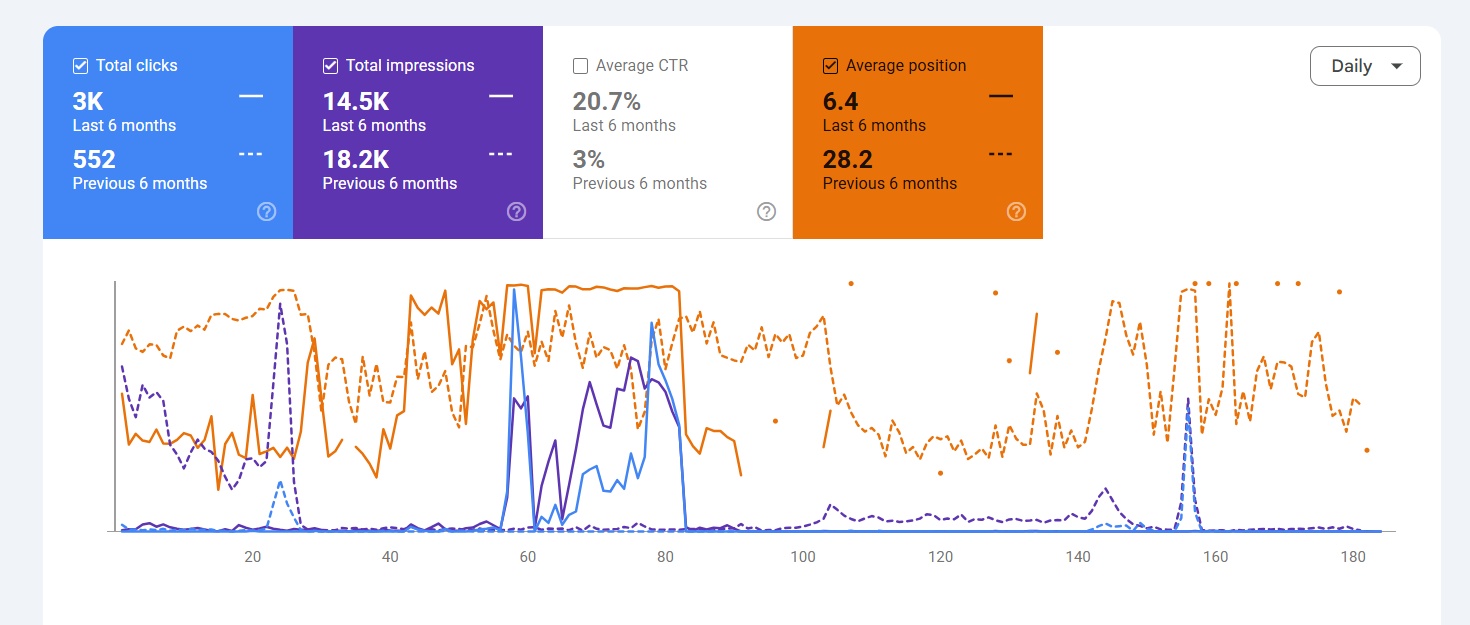


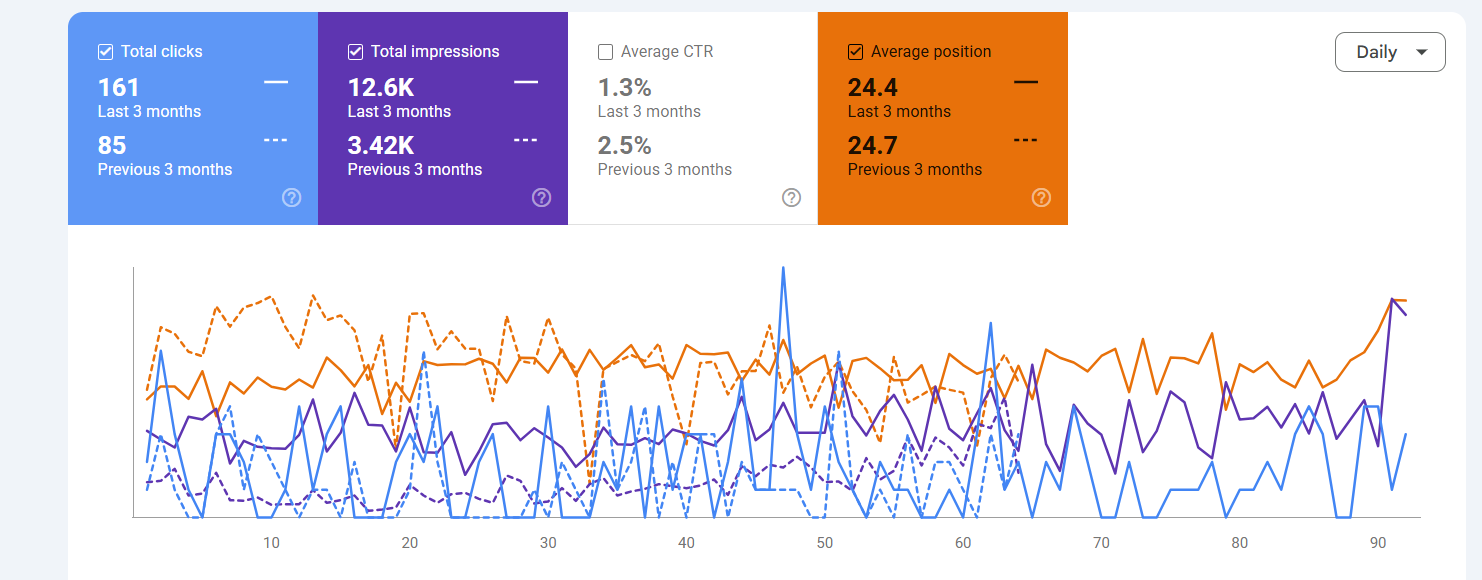

You rank for the obvious things in the area you started in, and the phone rings enough that you have stopped worrying about it. Scale is about the ground you are not on yet: the suburbs next door, the jobs you would rather be doing, and the searches your competitors still own because nobody has bothered to answer them.
More coverage, not more shouting
Growth in local search is almost never about making existing pages louder. It is about the pages that do not exist. Every service you offer and do not have a page for, every town you will drive to and have not named, every question a customer types before they are ready to call, is ground a competitor is already ranking for instead of you.
So the work starts by mapping what is missing rather than tinkering with what is there. That is the topical map again, but pointed outward: new pages built and linked into what already ranks, so they inherit some of that strength rather than starting from nothing.
More locations, without competing with yourself
The moment a business has a second location, a new problem appears that most owners never see coming: the two locations start competing with each other for the same searches. Google picks one, usually not the one you would have picked, and the other quietly disappears.
Fixing that is structural. Each location needs its own page with its own reason to exist, its own profile, and a clear division of the ground between them. This is the problem we took on for a florist group with three shops across Los Angeles, and it is the difference between three businesses helping each other and three businesses cancelling each other out.
Better jobs, not just more of them
Most trades have a cheap job and an expensive job. Emergency call-outs versus planned installs. A repair versus a replacement. Once the phone is ringing, the useful question stops being how many calls and becomes which calls.
That is a content problem more than a technical one. The pages that bring the better work are the ones that explain a decision in plain terms, because the customer spending real money reads before they call. It is slower to rank than the panic searches and it is worth considerably more.
What this looks like month to month
Steady building, measured against Search Console rather than against how it feels. New coverage goes up, we watch what it does, and the next round is decided by what moved. Link building runs underneath it, slowly and deliberately, because that is the part that makes new pages rank faster over time.
This is the stage the work is aimed at across Los Angeles County and the Phoenix valley. If the business is not at this stage yet, Unstick is the better starting point instead.