SEO for medical billing and healthcare services
Medical billing is sold to practices, not homeowners, so the search terms and the trust signals differ. We have built and ranked one of these already.

Every job has its own search
Tap a job to see how we rank you for it. Each one is a thing customers actually type, and each earns its own ground in the build.
Claim submission
A practice manager looking for claim submission help is usually tired of rejected claims and a slow revenue cycle. They search for the service, then for the specialty they run. Claim submission is the base of your offer, so it needs a page that speaks plainly to what clean claims mean for a practice. We write it around the specialties you bill for, such as cardiology, orthopedics, behavioral health, physical therapy, dermatology and primary care, as one page in a topical map built for billing buyers.
Denial management
Denied claims are money a practice has already earned and not collected, and the owner knows it. They search for denial management when the pile gets too big to ignore. That is a high intent search, so it deserves its own page rather than a paragraph on a services list. We write it around the real denial reasons and the appeals you handle, and we publish it on a website built to earn a call.
Credentialing
A new provider cannot bill until the payers approve them, and every week of waiting costs the practice money. The person searching is often a doctor starting out or a manager adding a hire, and they want someone who has done the paperwork before. Credentialing is slow, specific work with its own vocabulary, so it earns its own page. We build it, and the approach is set out under local SEO.
Patient collections
Patient balances are the part of revenue that practices tend to neglect, and owners know it. The search usually combines patient billing with the practice type. Patient collections is a separate service with a different buyer concern, which is keeping patients on side while the money comes in, so it needs its own page. We write it with that balance in mind, and we can launch it quickly through the launch offer.
Specialty billing
A cardiology group, an orthopedic practice and a behavioral health clinic all bill differently, and each owner searches for a billing company that knows their codes. Physical therapy, dermatology and primary care have their own rules too. A single page cannot speak to all of them. We write one page per specialty you serve, on a website that shows you know the work.
Eligibility verification
Many denials begin at the front desk, when coverage was never checked before the visit. A practice manager searches for eligibility verification after one too many surprise rejections. It is a clear, specific service that solves a problem the buyer feels every week, so it needs its own page. We write it in plain terms, and the approach is set out on our local SEO page.
AR cleanup and old claims
A practice with months of unpaid claims sitting in accounts receivable knows the money is out there. They search for AR cleanup, aging claims recovery and old claims help, often after a staff change or a software move. This is a one time project with a clear payoff, and it deserves a page of its own. We can start it quickly through the launch offer.
Coding audits
Practices worry about under coding that leaves money behind and over coding that invites a payer audit. The owner searches for a medical coding audit or a documentation review, and wants someone who reads the notes against the codes. It is a trust sale, so it needs a calm, exact page. We build it as part of a topical map for your billing company.
What the numbers actually show

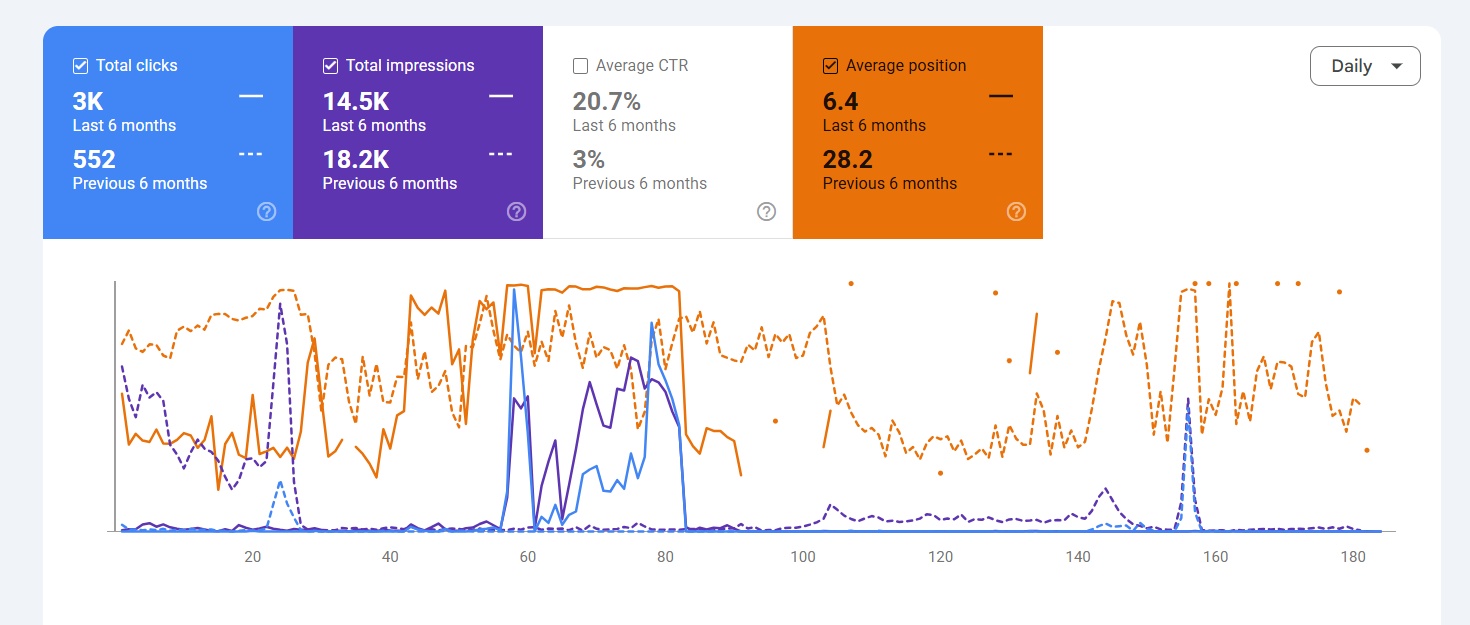


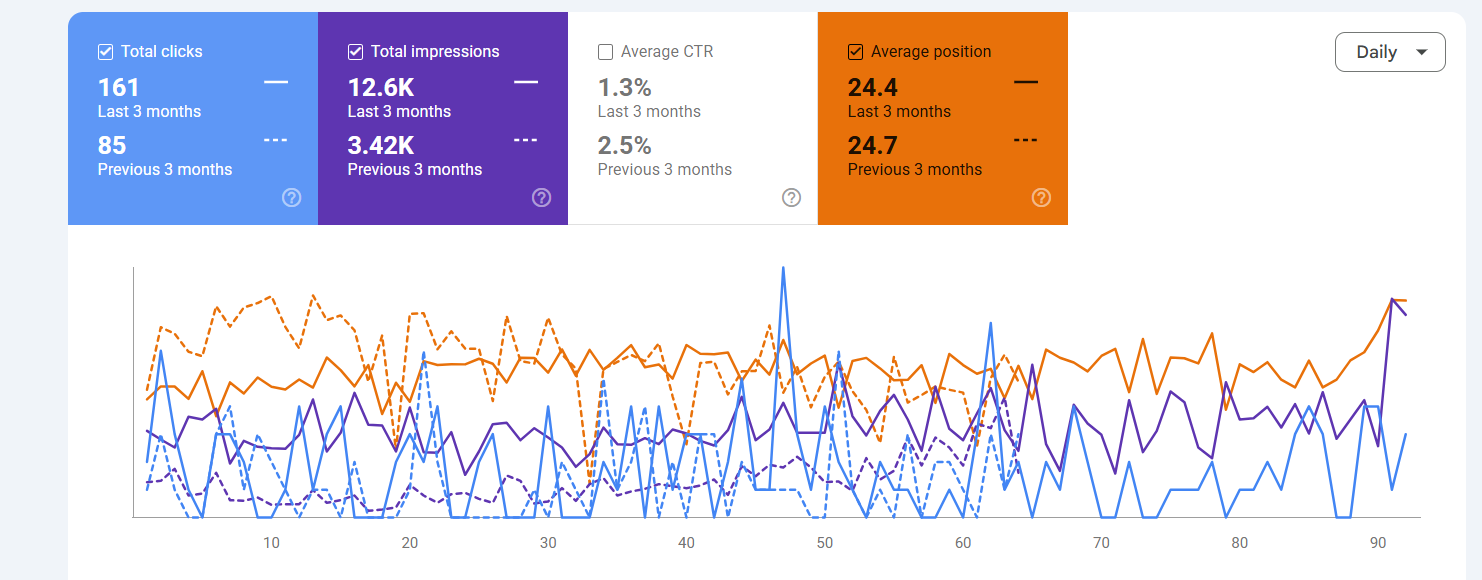

Nobody wakes up wanting a new billing company. They start looking because denials piled up, because the biller who knew everything left, or because a practice is opening and the doctor has no idea who will chase the money. That is a slow, careful search, and it is nothing like a homeowner searching for a plumber at midnight.
The doctor signs, the office manager chooses
The name on the contract is the physician or the practice owner. The person who reads your website at nine in the evening, opens four tabs and cuts the list to two is the office manager or the practice administrator. Write for them. They care about aging buckets, clearinghouse rejections, credentialing timelines and whether they will get a named person on the phone.
That changes what the pages have to be. Not a brochure, but real answers: how the onboarding runs, what happens to the old accounts receivable, which specialties you know, which payers in which state. Mapping those questions is what the topical map is for.
A long cycle needs a site that keeps working
From first search to signed agreement can take months in this industry. The practice reads, waits, gets a bad month, reads again. So the pages are not there to close anyone on the first visit. They are there to still be the most useful thing on the subject when that person comes back.
A brochure site cannot do that job, which is why we treat the website build as the foundation rather than the wrapper. Load speed matters less here than depth and clarity. An administrator who finds a genuinely useful page about denial codes will remember where it was.
The one set of numbers we can publish
We built and rank a revenue cycle management company in Florida, and we show its Search Console reading on the call, with permission from the client, rather than publishing names on this website.
The shape of how that site was built and what it targets is the method described on how we work. Most of that work was aimed at practices across Florida, which matters, because billing is regulated and sold state by state even though the service itself is remote.
Credentialing is the door, billing is the room
Credentialing searches convert differently from billing searches. A practice that types a credentialing question has a deadline and a problem, and they will talk to you this week. Billing enquiries take longer but are worth far more over the life of the account. A site that only chases the big keyword misses the faster door.
The two also split by payer. A practice searching about Medicaid enrollment in a new state has a different, narrower question than one asking about commercial payer denials, and a page that answers both at once satisfies neither. Multilingual pages are worth building out for this trade too, since a practice serving a Spanish speaking patient base is often searching in both languages for the same billing questions.