Snow removal SEO in New York
Sidewalk ordinances, small lots and outer borough driveways. Ranking a snow removal company before the first storm, when the contracts are signed.

The ground we cover: New York State
The neighborhoods and towns we build coverage for. If yours is nearby and not named, it does not mean no.
- Manhattan
- Brooklyn
- Queens
- the Bronx
- Staten Island
- Upper East Side
- Upper West Side
- Tribeca
- Long Island
- the Hamptons
- Westchester
- Yonkers
- White Plains
- Hudson Valley
- Albany
- Buffalo
- Rochester
- Syracuse
What the numbers actually show

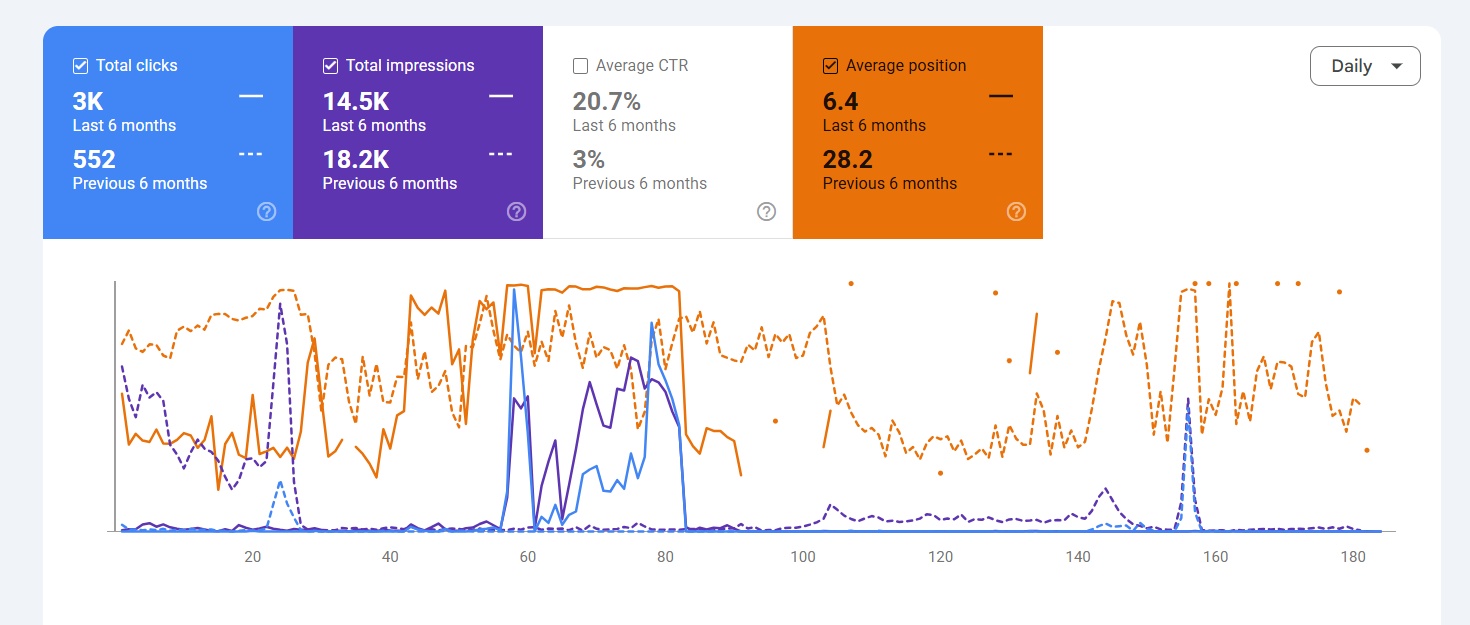




In New York, snow removal is won by being the company a building owner finds the night before a storm and trusts by morning. Most of the work is sidewalks, stoops, small lots and narrow driveways rather than big plow routes, and the contractors who get it are the ones who show up in the map results for the neighborhood the customer actually lives in.
Sidewalk clearing is the New York job
New York is not a plow town in the way a suburb is. The city holds property owners responsible for clearing the sidewalk in front of their building within a set number of hours after the snow stops, and owners who miss it can be fined. Check the current rule with the city before you quote it, because the timing differs by property type and changes.
That obligation is the whole market for sidewalk clearing. A landlord with six buildings, a co-op board, a small shop owner and a homeowner in an outer borough all need the same thing done on a deadline, and they search for it as the storm approaches. A page that names the obligation and the neighborhood speaks to them directly.
Snow plowing in the outer boroughs is a driveway and small lot trade
In Queens, Staten Island, the Bronx and parts of Brooklyn, the work is driveways, shared alleys and small parking areas, often too tight for a full size truck. The company that wins is the one with a compact plow, a crew with shovels and a clear promise about when it arrives.
Each borough searches differently, and so do the neighborhoods inside it. A homeowner in Bay Ridge is not choosing from the same list as one in Forest Hills. Which neighborhoods are worth a page, and in what order, is settled by a topical map before anything is written, so the pages cover the routes the trucks really run.
Snow shoveling service and the map results at storm time
The call usually comes from Google Maps. A building manager looks at the top few results, checks the reviews and the hours, and taps the number. That decision takes less than a minute and never reaches the website.
So the Google Business Profile work comes first: a primary category that matches snow removal, service areas set to the boroughs and neighborhoods covered, hours that are honest about storm nights, and recent reviews. It is also the fastest part of the job to move, which matters when the first storm is closer than anyone planned.
Landlords, co-ops and managers sign early
The steady revenue in this city comes from building owners and managing agents who want one contractor for the whole winter. They choose in the autumn, ask for proof of insurance and a reference, and look the company up before they call. A site that answers those questions plainly wins the meeting.
That is a website build job: a fast page on a phone, the number visible, a page for building owners and a page for homeowners, and nothing that reads like a brochure for any contractor anywhere. If the owner works in Russian, Spanish, Hebrew or another language, the multilingual SEO work reaches the customers who search in it.
Building it before the first storm
A new page does not rank the week it goes up. Start in summer and the company is visible when the autumn contracts are signed. Start when the forecast turns and the coverage arrives for next winter, which is the costliest timing mistake in this trade.
The wider argument sits on the snow removal page, the New York ground is on the New York page, and if the company does not exist yet, Launch is the place to start. The cost is on pricing.